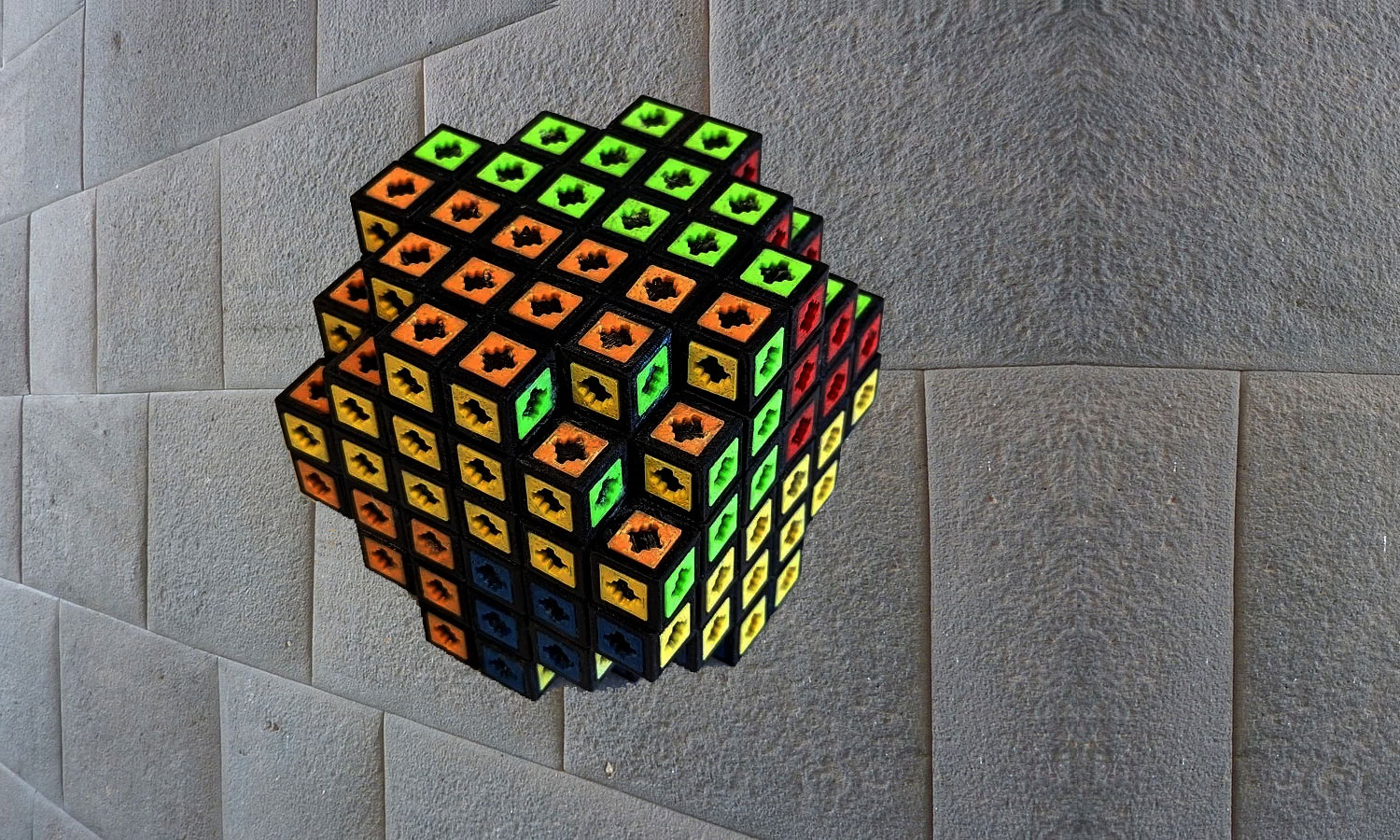
The Inka Cube is conceived as the next chapter of engineering encoded into geometry—a mechanical object that transforms ancient Andean intelligence into a living, rotating system.




Pre-Order
Stay Informed on the latest Inka Cube updates
Geometry of Motion
The Inka Cube
Long before gears, algorithms, or modern engineering language existed, the Inka civilization mastered something far more enduring: applied intelligence through form.
The Cube as
Inka Technology
To the modern eye, the cube is a puzzle.
To the Inka worldview, geometry was never abstract—it was functional cosmology. The cube represents:
Inka engineering did not rely on force—it relied on interlocking systems:
The Inka Cube follows the same principle.
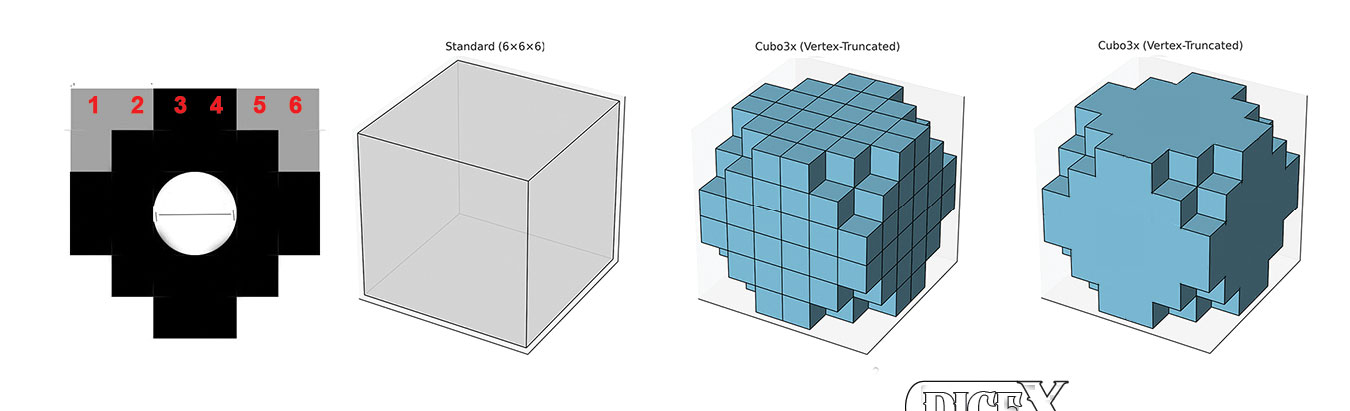
It is a shape-mod of a 6×6×6 system, but its soul is Andean:
Each rotation is a negotiation between freedom and constraint—exactly how Inka architecture survives seismic motion.
From the
Chakana to the Inka Cube
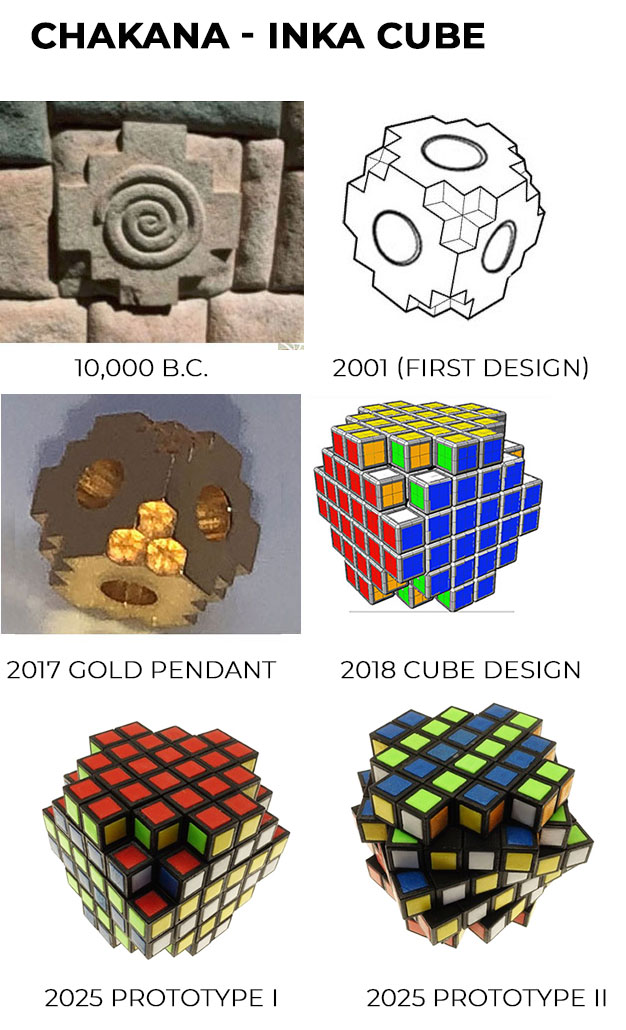
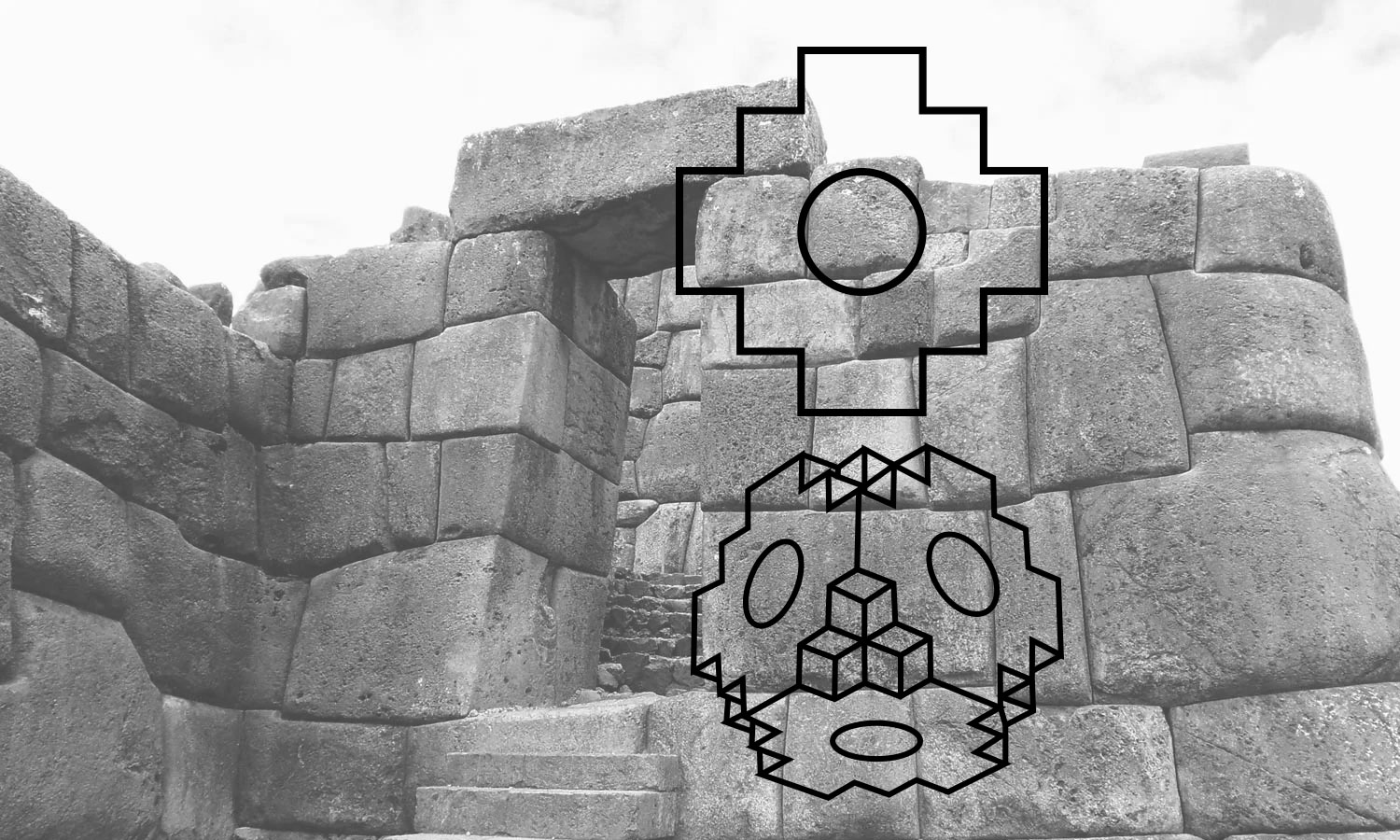
Long before this cube could rotate, it existed as a geometric inquiry—one that began with the Chakana, the Andean cross that encodes balance, direction, and transition. The Chakana is not decoration; it is a spatial logic system, used by the Inka to organize land, society, and thought.
From this vision, the Inka Cube was born. A bold variation of the classic Rubik’s Cube, it incorporates ingeniously truncated corners—a structural twist that makes each turn more engaging, more beautiful, and more symbolic.
The founder's breakthrough design caught the attention of Oskar van Deventer, one of the world’s most respected puzzle designers and a legend in the world of mechanical creativity. With his unmatched experience in twisty geometry and mechanical logic, Oskar joined forces with Edwin to help refine and engineer the cube's movement into a functional masterpiece. Without his generosity, vision, and expertise, this dream might have remained only a concept. The puzzle was prototyped in ABS FDM by Jason Gavril, a.k.a. Chewie's Custom Puzzles.
A Modern Mechanism
Why “Inka” with a K

The name Inka is not a stylistic choice.
It is a linguistic and cultural return.
In the Quechua language—the living language of the Andes—the sound “Inka” is phonetically closer to K than C.
The letter K reflects:
- Strength
- Precision
- Directness of force
It is the sound of stone meeting stone.
The sound of alignment.
Spanish colonial transcription introduced the letter C, but the K preserves the original phonetic intent—short, firm, decisive.
Just as the Inka shaped stone without mortar, the Inka Cube removes unnecessary ornamentation and returns to pure structural truth.
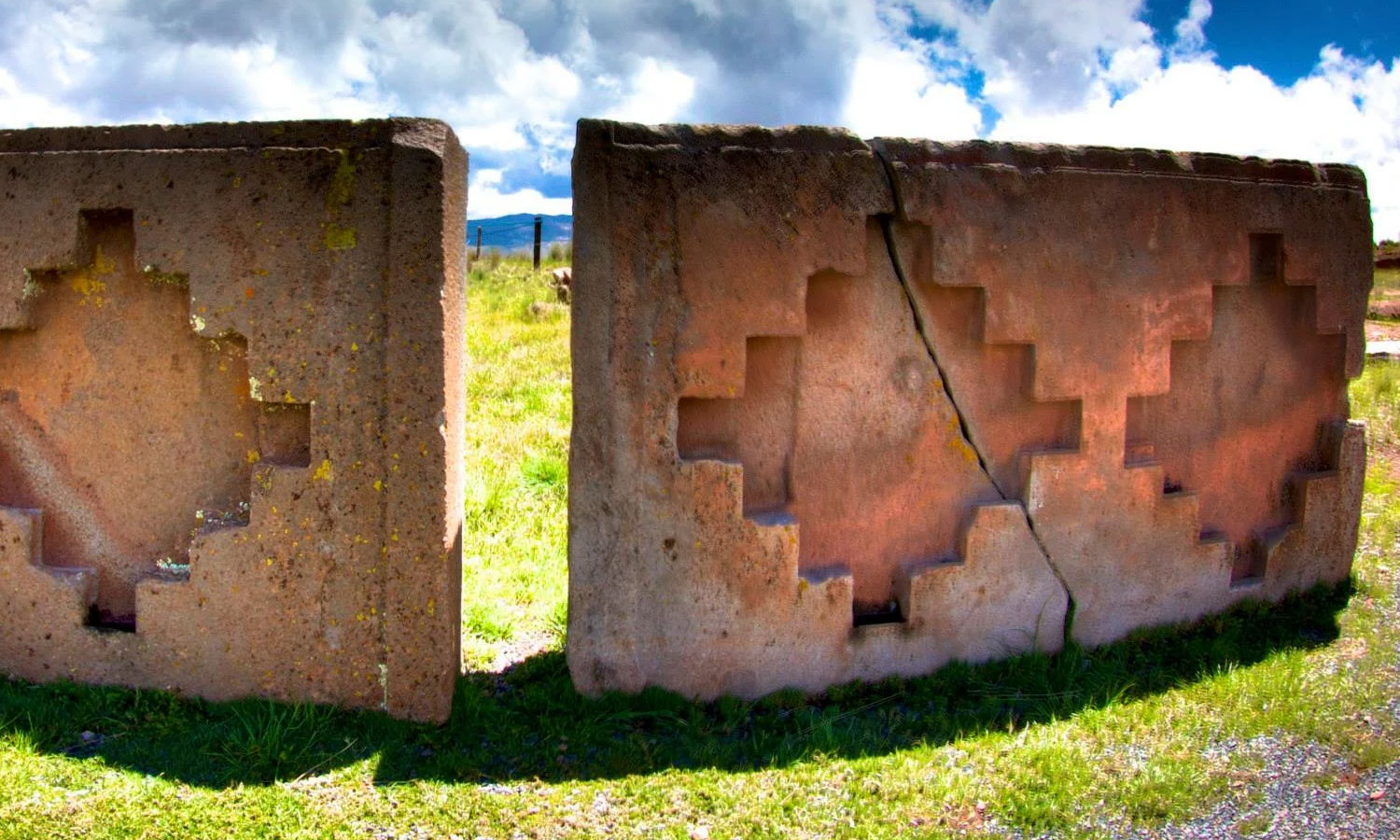
began with the
Chakana
What happens when ancient Andean geometry is treated not as a symbol, but as an engineering instruction?
That question led to the development of a patented geometric lineage—what would later become known as Inka Cube: a cube derived from a structured 6×6×6 grid, selectively modified at its vertices to create a form that does not exist in conventional geometry.
A cube defined not by mass alone, but by intentional removal, balance, and tension.
My Story
The Creator
Sharing Real World Experience
Cube History
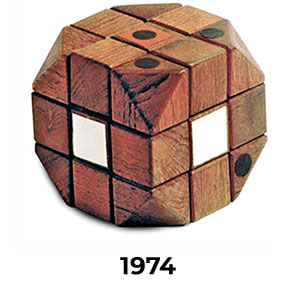
First Cubes
Released globally in 1980 as the Rubik’s Cube, it became a worldwide sensation and the best-selling puzzle toy of all time.
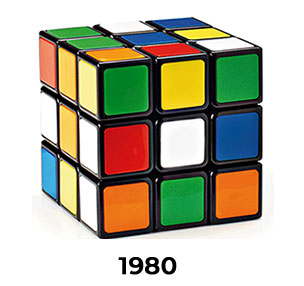
Cube Expansion.
The 2000s saw a renaissance of cube variations with new shapes, sizes, and solving mechanisms, from 2x2s to 17x17s and beyond.
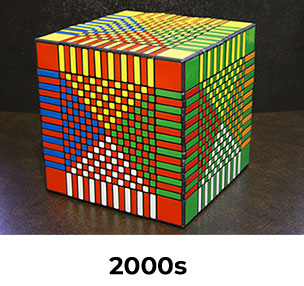
New Cubes
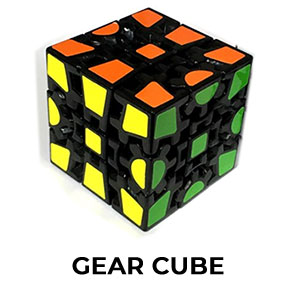
Legendary designer Oskar van Deventer revolutionized the puzzle world with complex, twisty mechanical innovations like the Gear Cube and Curvy Copter, blending engineering artistry with solving challenges never seen before.