The Inka Cube
A story of continuity, not invention

Learn More

Cubo3X
The Creator

At the heart of Inka Cube™ is not a single flash of inspiration, but a long process of inquiry—shaped by sacred geometry, relentless iteration, and a persistent question: What happens when ancient spatial logic is treated as engineering, not symbolism?

This is not the story of discovering a forgotten artifact.

It is the story of continuing a lineage—with modern tools and disciplined design.

Headshot

Where it began (2001)

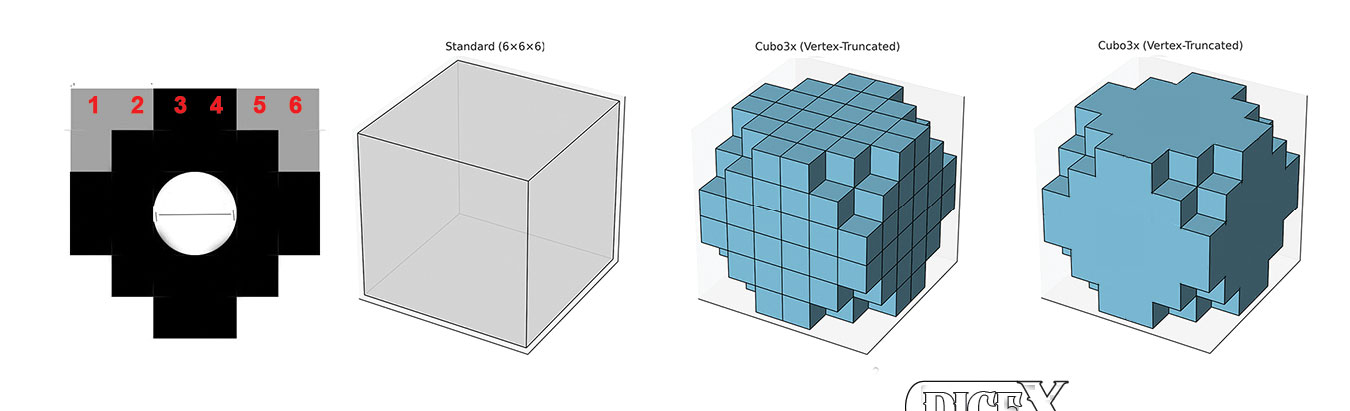
The first vision surfaced in 2001—not in a museum or a studio, but in a chemistry laboratory. Surrounded by the practical language of measurement, structure, and precision, a question took form: could the Chakana’s logic be treated as constructible geometry?

That same year, the concept moved from thought to form. The earliest versions were modeled using software in the lab—a place where abstract ideas are tested against structure and constraints. In that setting, sacred geometry was not approached as decoration; it was approached as a system.

Topic Image
The Question

That Guided Everything

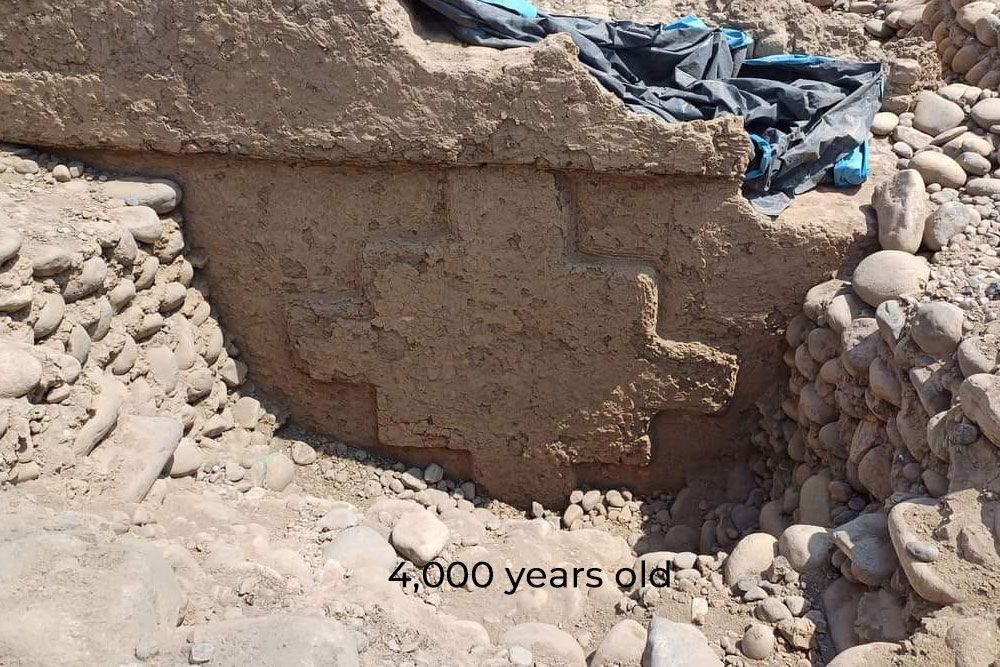
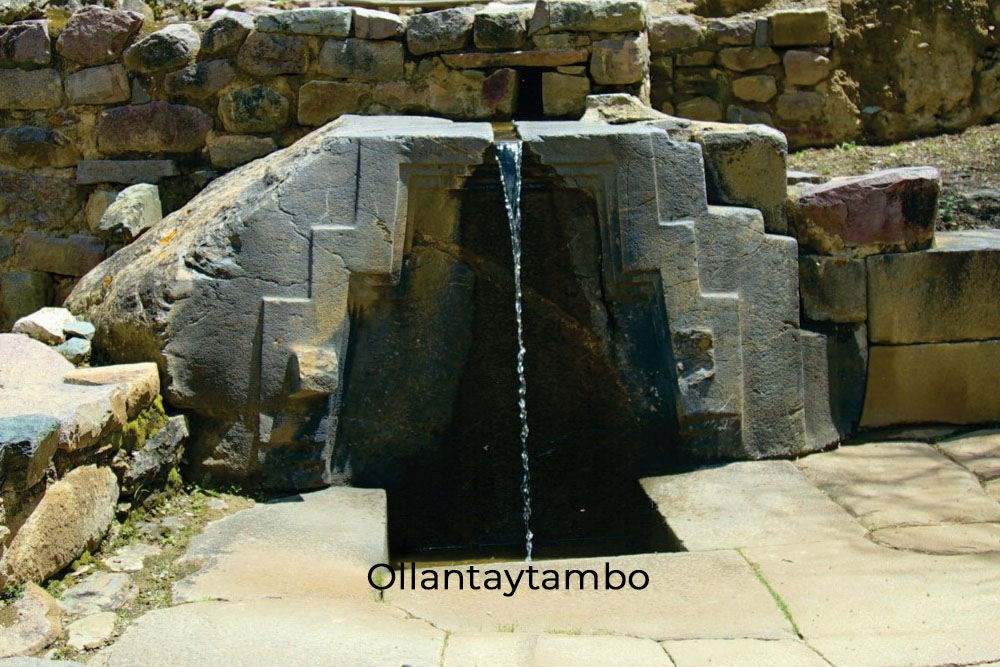
Across pre-Inka and Inka architecture, geometry is not merely symbolic. It organizes stone, channels water, distributes force, and defines orientation. These systems endure because they are structurally correct, not because they are mythical.

The guiding question was simple, but demanding:

What if the Chakana is not just a symbol to interpret, but a geometric logic to build upon?

Keynote Image

From Observation to Iteration

This inquiry did not lead to surface graphics or ornamental patterns.
It led to years of modeling, revision, and rejection.

Early versions did not work.
Many forms looked compelling but failed structurally.
Some were visually elegant but mechanically impossible.

The challenge was never only aesthetic—it was engineering. The geometry had to:
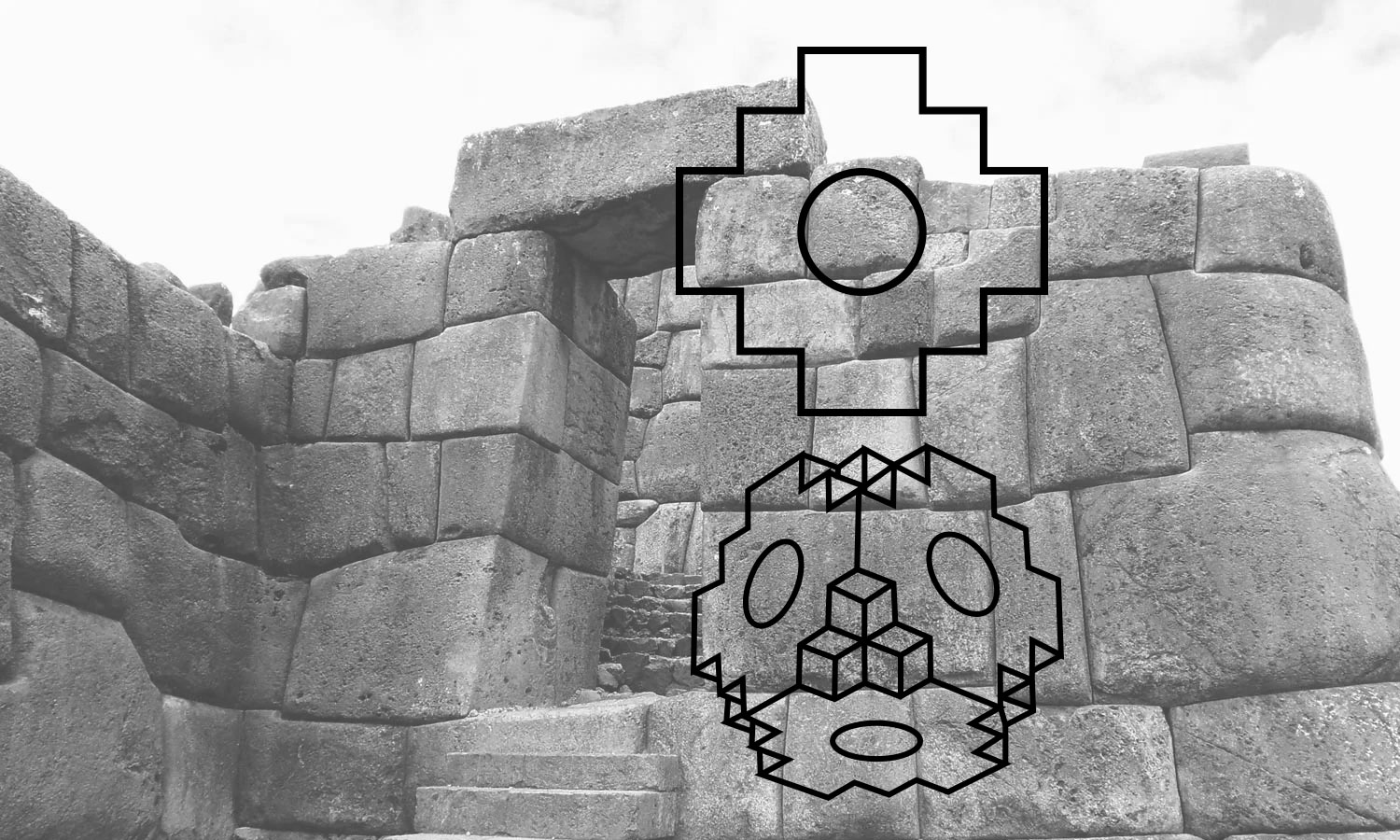
  • exist coherently in three dimensions,
  • remain balanced and intentional,
  • obey mechanical constraints,
  • and ultimately perform under motion.
Only through disciplined iteration did a new form begin to emerge—one that was not borrowed from existing puzzle categories, nor found neatly inside traditional geometry catalogs.

Topic Image
Bridging

Ancient Logic and Modern Mechanics

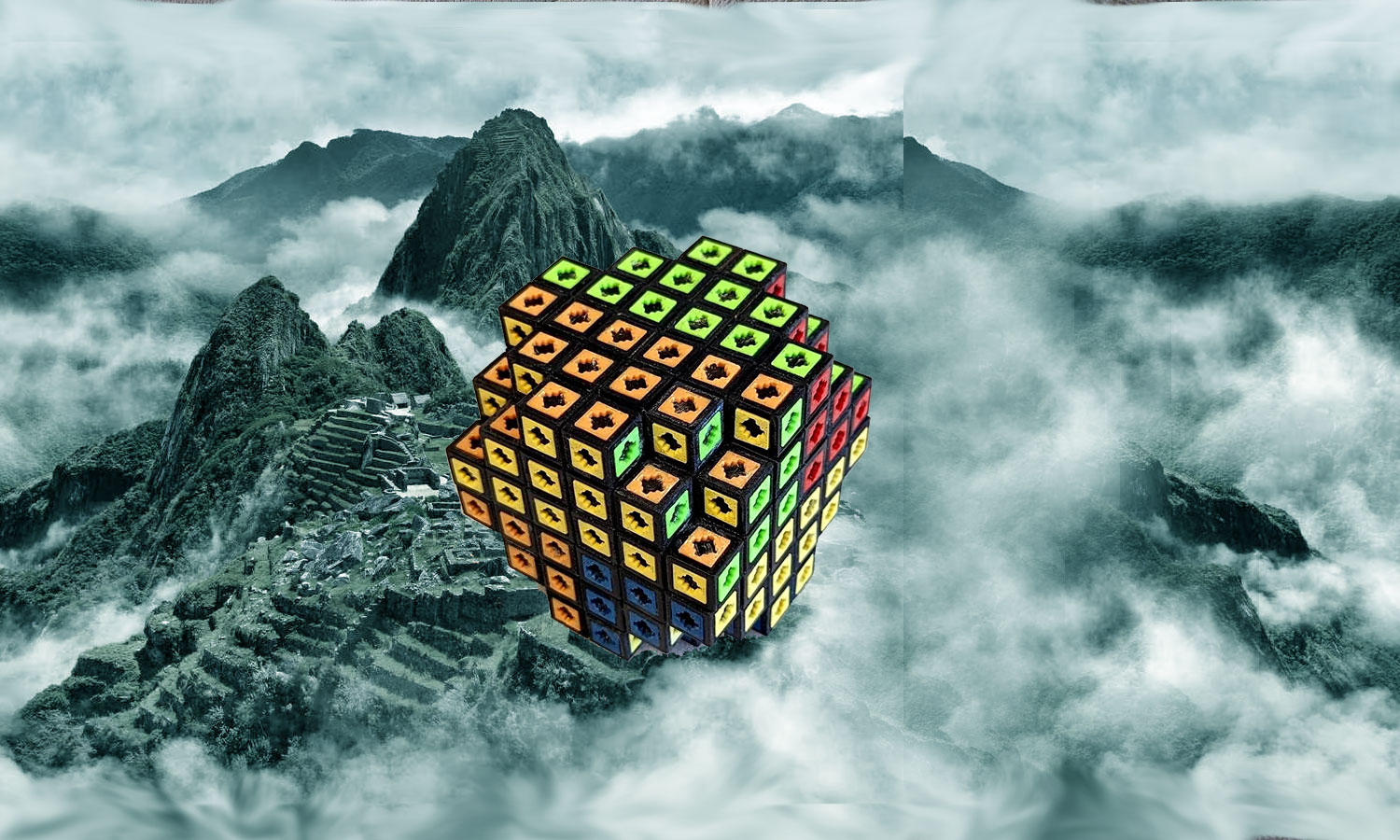
The resulting structure—what would later become the Inka Cube—was not derived from “ancient technology,” and it does not require speculative explanations. It was developed through human reasoning and modern engineering, informed by ancestral spatial intelligence.

This is the bridge:
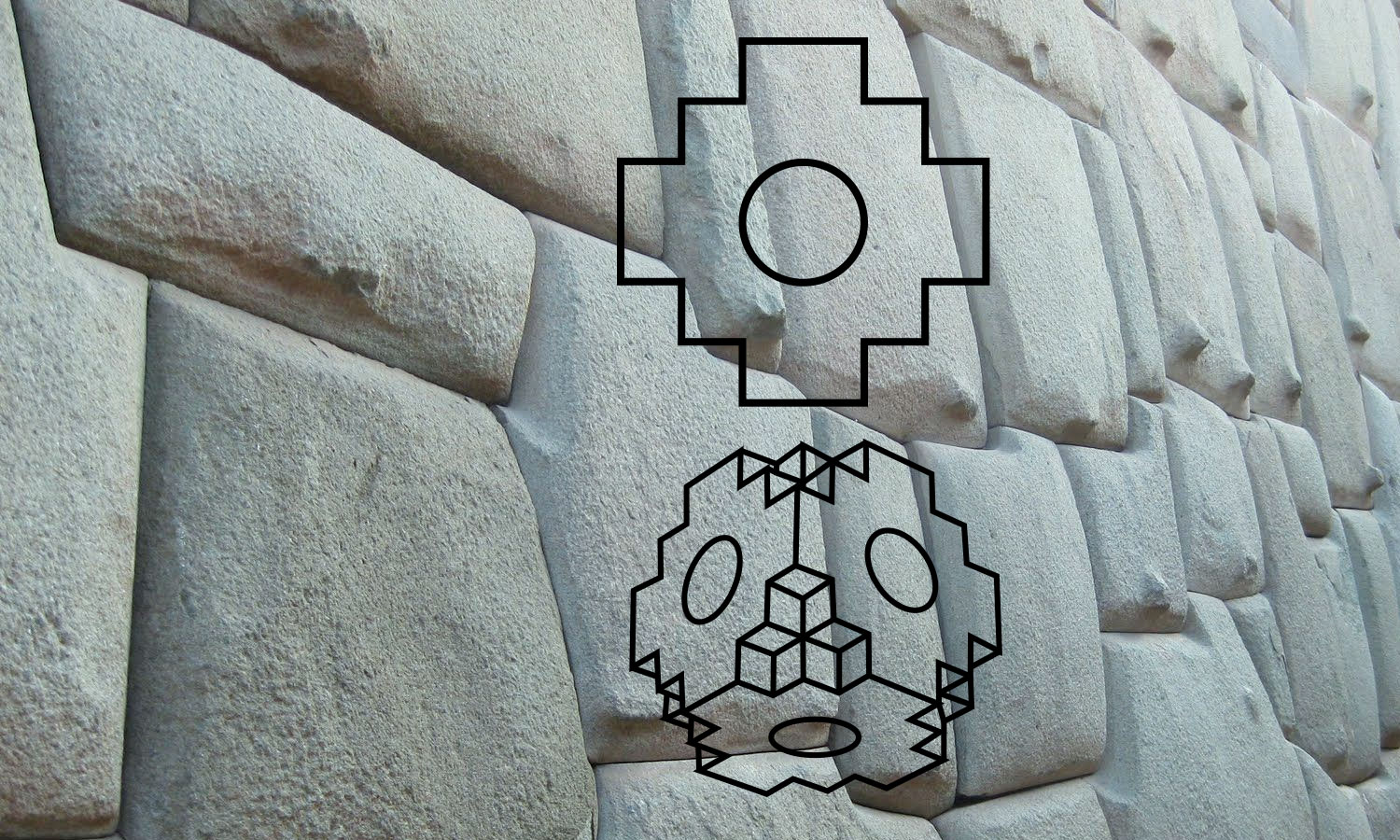
  • Andean sacred geometry provided the ordering principles
  • Contemporary design and mechanical logic provided the means of realization
The outcome is neither imitation nor revival.

It is continuation through transformation.

A Living Lineage
Not a Personal Myth

This story is not about claiming mystery. It is about acknowledging continuity.

The pre-Inka, Inka, and modern Inka peoples are not separated by extinction or rupture. They are part of a living lineage that has always adapted new tools while preserving foundational ways of thinking about space, balance, and structural truth.

The Inka Cube exists because that lineage can still generate new form—functional, rigorous, and culturally rooted—expressed in the present tense.

A Living Lineage
Why This Matters

In a world quick to dismiss what it cannot immediately classify, the Inka Cube stands as a quiet demonstration: Andean geometry was never static, never primitive, and never finished.

It continues.

Ed Make

Watch Chakana
Recent Videos

Ancient Chacana

Ancient Chacana

Machu Picchu

Machu Picchu

Chacana Meaning

Chacana Meaning